Every summer, some Rock Hill yards get away from their owners. A back lot goes to briars. A vacant parcel fills with sweetgum saplings. Sooner or later, a neighbor notices, or a city inspector does.
Rock Hill has specific rules for overgrown property. They spell out how tall grass can get, what counts as a nuisance, and what happens if the owner doesn’t fix it. We pulled the actual city code, then asked Ryan Mitchell, owner of HVL Forestry Mulching in Hendersonville, N.C., how homeowners should handle a lot that has gotten out of hand.
What Is Considered An Overgrown Lot In Rock Hill?
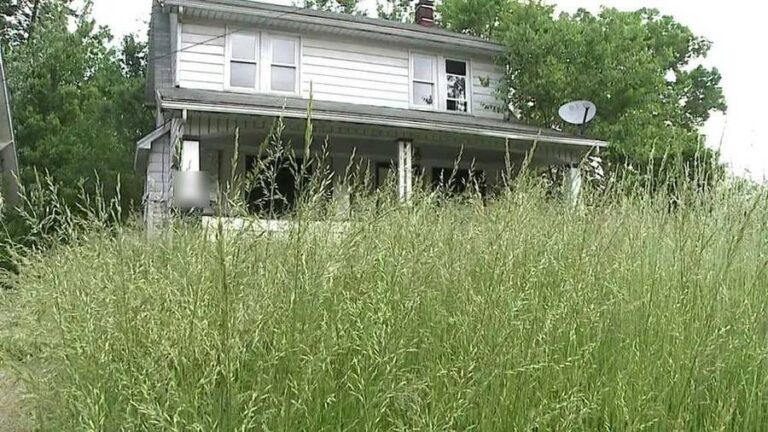
Rock Hill’s rules live in Section 10-292 of the city code, titled “Overgrown property.” The limit depends on whether the lot has a home or business on it.
Homes and businesses. The code says it is unlawful for an owner or occupant “to allow weeds, grass or similar vegetation to grow to a height of 12 inches or more.”
Vacant lots. Undeveloped lots that border developed property or public streets “shall be subject to an 18-inch height limitation on weeds and grass on any 20-foot strip adjacent to such developed property and/or streets.”
The city’s own enforcement page describes the vacant lot rule more broadly, as grass or weeds “taller than 18 inches.” The code itself applies that limit to the 20 foot strip along neighbors and streets.
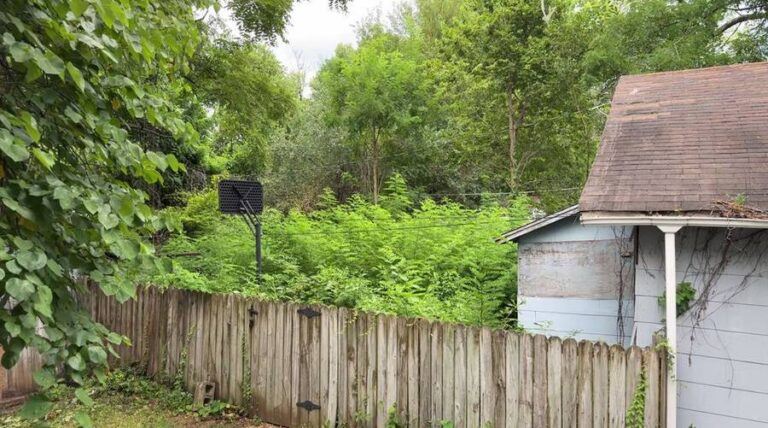
Wooded yards get an exception. Wooded rear or side yards are exempt where “standard mowing equipment cannot maneuver because of density.” The same 20 foot strip next to developed property or streets still has to stay under the limit.
Some conditions make any lot a nuisance. Regardless of grass height, a lot of any size counts as a nuisance if it has piles of debris, junk, tree debris or tires. It also counts if growth hangs over a public sidewalk “within eight feet above the level of the sidewalk and 14 feet above the street.”
That last one catches a lot of people. “You also have to check overhead branches,” Mitchell said. “Low limbs over a sidewalk or street count as a nuisance under Rock Hill code.”
Outside city limits? These rules cover property inside the City of Rock Hill. If the lot sits in unincorporated York County, the city code doesn’t apply. Check with York County for the rules there.
Rock Hill City Ordinance Violations: Notices And Fines
For residential property, the code sets a step-by-step fine schedule. Each step counts offenses on the same property within the last 12 months.
- First offense: no fine and a 7 day notice to fix it
- Second offense: $25 fine and a 7 day notice
- Third offense: $50 fine and a 7 day notice
- Fourth offense: $100 fine and a 7 day notice
- Fifth offense and after: $250 fine, then up to $250 per day
The city’s enforcement page adds that a courtesy notice goes out “once per calendar year” and that the $250 fine “is a summons to Environmental Court.” In court, penalties can reach “up to $1,087.50 or imprisonment for up to 30 days.”
If the city cuts the lot itself, the owner pays. The code says “all costs of such abatement by the city… shall be a lien against the real property.”
Commercial properties and apartments face fines of up to $500, with each day counted as a separate violation.
Got A Notice? What To Do In The 7 Days
“Do not ignore the letter or wait until day six,” Mitchell said. “For a first offense on a residential lot, Rock Hill gives you seven days to bring grass and weeds under the 12 inch limit before fines start.”
His advice is to move fast. “Take photos of the lot immediately and call a land clearing professional to get on the schedule. Then call Neighborhood Inspections at 803-329-7014.”
The city says it will meet owners partway. According to Neighborhood Inspections, “Staff will work with those who show a good faith effort to comply.” A booked cleanup date is good proof of that effort.
How To Report A Neighbor’s Yard In Rock Hill
Before you pick up the phone, Mitchell suggests a knock on the door.
“Talk to your neighbor directly before filing a complaint,” he said. “Overgrown lots usually mean the owner is elderly, sick, dealing with an estate in probate, or going through financial hardship.”
“Calling Neighborhood Inspections starts formal enforcement, leading to repeat fines that can reach $250 a day. A quick friendly conversation or offering a hand solves the issue much faster and keeps good neighborly relations.”
If a conversation doesn’t work, here’s how to file a neighborhood complaint with the city:
- Call Neighborhood Inspections at 803-329-7014, or email the NS Inspections team through the city’s inspections page.
- Calls are anonymous. The city says “you are not required to give your name; however, emails are subject to FOIA.”
- Allow 48 hours for a response. Leave contact info if you want a call back.
- Check the Open Case Map on the same page first. The address may already have an open case.
The city also inspects on its own. Under its Proactive Code Enforcement program, inspectors note overgrown grass and tree debris from their vehicles while working in the field.
When Mowing Isn’t Enough
Plenty of overgrown lots can’t be fixed with a lawn mower.
“It stops being a mowing job when saplings hit two inches in diameter or brush gets too thick to see the ground,” Mitchell said. “If pushing a mower through scalps the dirt or stalls your engine on woody stems, you are out of mowing territory.”
That’s also where most do-it-yourself attempts go wrong. “People try to tackle two inch saplings and heavy vines with standard lawn mowers or light weed trimmers,” he said. “They end up destroying their blades, burning out belts, and leaving sharp stumps all over the yard.”
“They spend an entire weekend sweating and thrashing their own gear, only to end up calling a professional anyway to finish the job right.”
Overgrown Property Cleanup In York County: Your Options
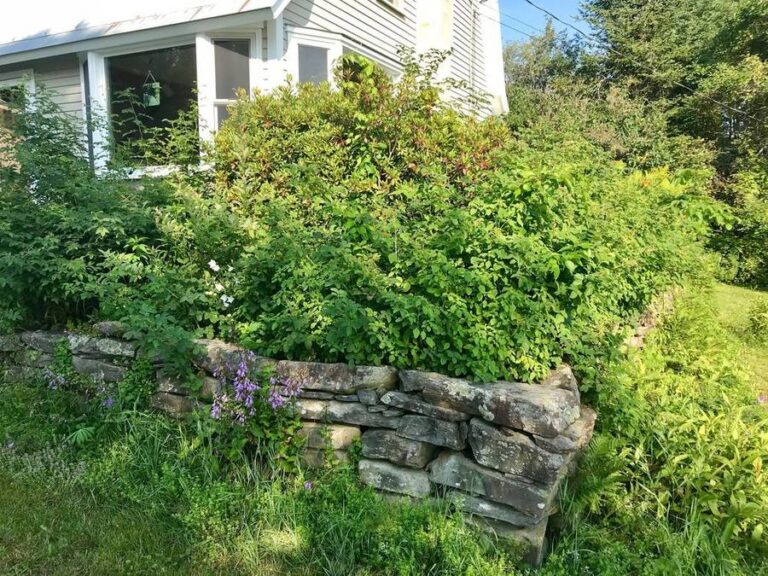
Once a lot has gone to brush and saplings, the cleanup method matters as much as the timing.
Bush hogs. “Bush hogs are made for tall grass and soft weeds,” Mitchell said. “Dense saplings will tear up the gearbox and leave sharp stubble behind.”
Bulldozers. “Bulldozers can clear heavy growth, but they scrape off valuable topsoil and leave giant dirt-filled root piles you have to haul off.”
Forestry mulching. “Forestry mulching grinds saplings and thick brush right where they stand,” he said. “The machines chew everything down flush to the ground, leaving a smooth layer of organic mulch that holds your soil in place and prevents erosion.” For a closer look at the equipment, HVL’s guide explains what forestry mulching is and how the machines work.
Local ground conditions play a part too. “Rock Hill sits on heavy red clay that turns into slick mud after rain,” Mitchell said. “Heavy equipment can easily tear up a yard, so crews should run tracked machines built to keep ground pressure low.”
“The vegetation grows fast down here, especially sweetgum saplings, greenbrier vines, and pine sprouts.”
Before Any Equipment Shows Up
Mitchell’s first step for any overgrown lot is a walk.
“Walk the property line safely before you crank up any equipment,” he said. “You need to locate hidden hazards like old wire fencing, buried metal, utility lines, and sudden drop-offs.”
“Pick out the mature trees you actually want to keep. Once you know your boundaries and hazards, you can clear out the thick brush without damaging your best shade trees or your gear.”
HVL has a longer checklist on how to prepare for forestry mulching, including marking utilities and keep-out zones.
What Overgrown Property Cleanup Costs
“For a standard half acre to one acre overgrown lot, you are typically looking at $1,200 to $3,500,” Mitchell said. “The total price depends on stem density, slope, thick brush, and machine access.”
“Light briars clear quickly and cost less. Dense stands of sweetgum saplings and heavy vines take more machine hours, but mulching still costs far less than paying for bulldozers and hauling fees.”
Keeping A Lot Under 12 Inches After Cleanup
Clearing a lot once doesn’t end the job.
“If you want lawn space, mow it every three to four weeks during the spring and summer,” Mitchell said. “That keeps your property looking sharp and well under Rock Hill’s 12 inch limit for residential yards.”
“If it is a vacant lot, run a heavy mower or tractor three or four times a year. On vacant lots next to streets or developed neighbors, Rock Hill requires an 18 inch limit on a 20 foot strip, so keep those borders trimmed.”